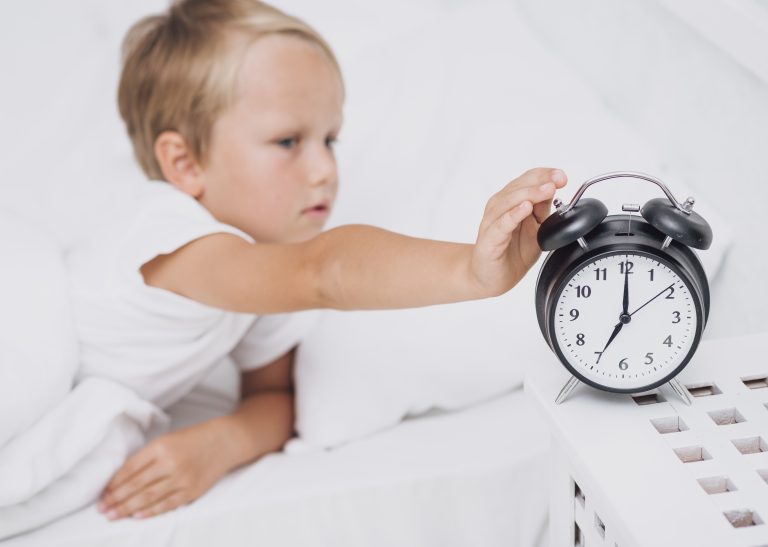
Toddler Tantrums at Bedtime: Understanding & Solving the Struggle

Toddler tantrums and bedtime battles with toddlers—sound familiar? You’re not alone! Many parents face bedtime meltdowns, and while it can be frustrating, there’s always a reason behind the chaos. The key to calmer nights? Understanding why these tantrums happen and using strategies that actually work. Let’s dive into what’s really going on and how to make bedtime smoother for everyone.

What to expect

Why Do Toddlers Have Bedtime Tantrums?

Toddler tantrums at bedtime aren’t just random. They usually have clear triggers. By recognizing these causes, you can address them proactively and turn bedtime struggles into peaceful nights.

1. Overtiredness & Overstimulation

Ever noticed that your toddler gets extra wild right before bed? That’s often a sign of overtiredness. When little ones are past their ideal sleep window, their bodies release stress hormones like cortisol and adrenaline—making it even harder to settle down. Overstimulation from screens, loud play, or too much excitement close to bedtime can have the same effect.

Sleepystar Tip: Watch for early signs of tiredness (rubbing eyes, yawning, zoning out) and start your bedtime routine before they reach the overtired meltdown stage.

2. Lack of Routine & Consistency

Toddlers thrive on predictability. If bedtime feels different every night, it can cause stress and resistance. A structured wind-down routine helps their brain recognize when it’s time to sleep.

Sleepystar Tip: A consistent bedtime (same time each night) paired with a soothing pre-sleep routine gives your toddler the security they need to settle more easily.

3. Separation Anxiety & Fear of Missing Out (FOMO)

For toddlers, bedtime can feel like being „left out“ of the fun. Separation anxiety is normal at this stage and can make goodnights extra emotional. If your child struggles with saying goodbye at night, they might resist sleep simply to stay close to you.

Sleepystar Tip: A predictable bedtime routine with extra cuddles, plus a comfort item (like a favorite stuffed animal), can ease anxiety and create a positive sleep association.

How to Prevent & Manage Bedtime Tantrums

Now that we know why tantrums happen, let’s talk about what actually helps:

1. Create a Predictable Bedtime Routine

A step-by-step bedtime routine helps toddlers feel safe, secure, and ready for sleep. Keep it simple:

✔ A warm bath or quick wash-up
✔ Cozy pajamas
✔ A bedtime story (not too stimulating!)
✔ Soft cuddles and a gentle „goodnight“

🔹 Consistency is key—repeating this routine every night creates predictability, which helps toddlers transition to sleep with less resistance. This Routine chart – I like a lot!

2. Set Up a Sleep-Friendly Environment

A toddler’s bedroom should be designed to promote sleep, not distractions.

✔ Dark room – Blackout curtains help prevent early wake-ups.
✔ White noise machine – Drowns out household noise.
✔ Cool temperature – 18-20°C (65-68°F) is ideal for sleep.
✔ Comfort item – A special stuffed animal or blanket can provide security.

✨ Sleepystar Tip: If your toddler resists bedtime because they think you’re still having fun, try emphasizing how everyone in the house is going to sleep now—even pets!

3. Use Positive Reinforcement

Toddlers love rewards and thrive on positive feedback. Reinforce good sleep behavior with praise, verbal encouragement, and small incentives.

🔹 Example: Create a „Sleep Star Chart“ where your toddler gets a sticker each night they go to bed calmly. After five nights, they earn a small reward (extra storytime, choosing breakfast, etc.).

💡 Want a fun way to track progress? Our families love using a Gumball Reward System! Every successful bedtime earns a „gumball,“ and once the jar is full, they get a special treat.

Final Takeaways: How to Make Bedtime Easier

✨ Understanding tantrums is the first step to solving them. By making small changes, you can transform bedtime into a peaceful, enjoyable routine.

✔ Watch for overtired signs & avoid overstimulation.
✔ Establish a predictable, calming bedtime routine.
✔ Create a sleep-friendly environment that encourages rest.
✔ Use positive reinforcement to encourage good sleep habits.

With patience and consistency, bedtime battles can become a thing of the past!

💤 Still struggling with bedtime tantrums? Let’s create a custom sleep plan tailored to your toddler’s unique needs! Book a free call with Sleepystar Sleep Coaching today! 🚀

Erfahrungen & Bewertungen zu Sleepystar Schlafberatung - Carla Kurtin